CyanoCement
Materiales de construcción fotosintéticos microbianos
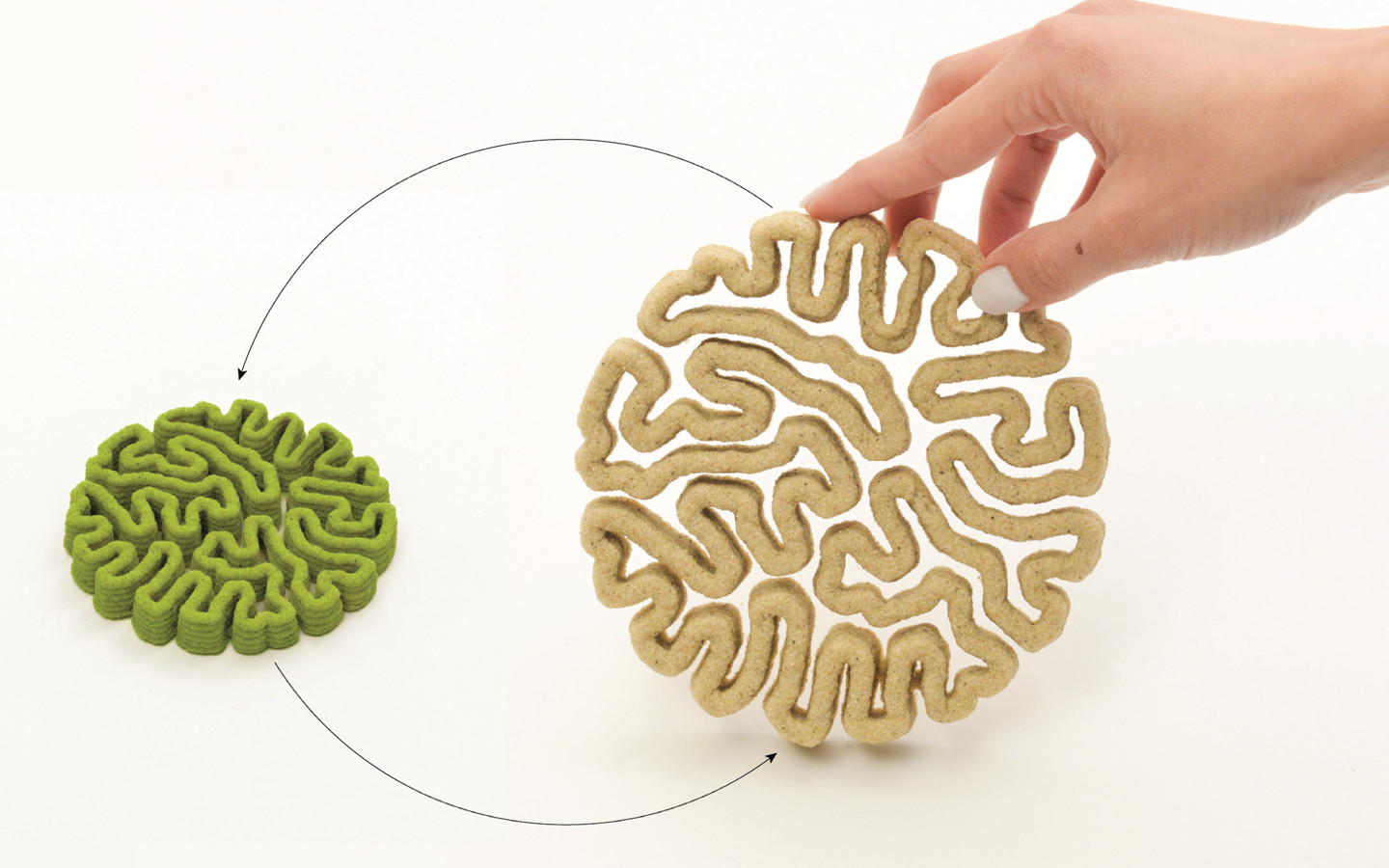
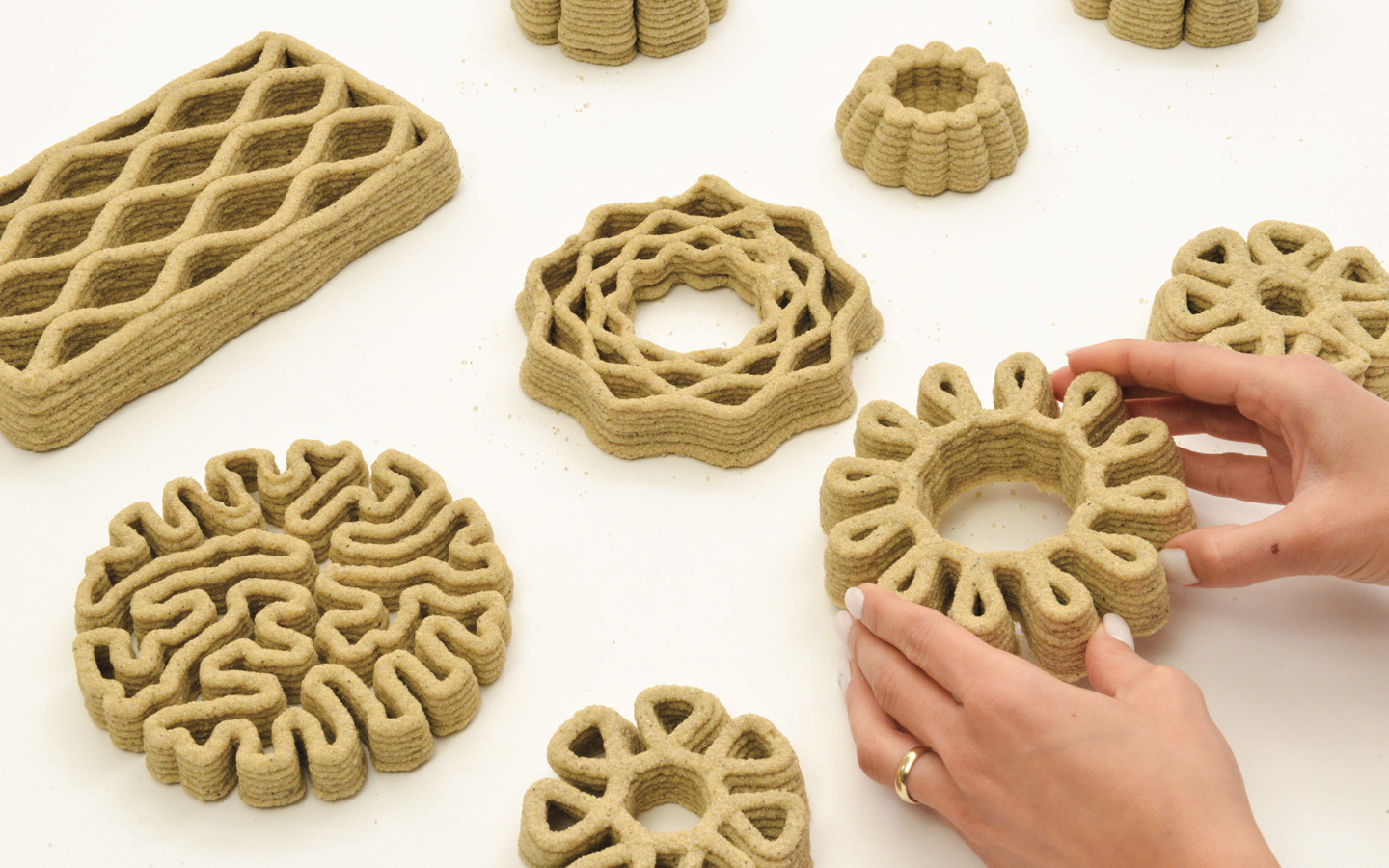
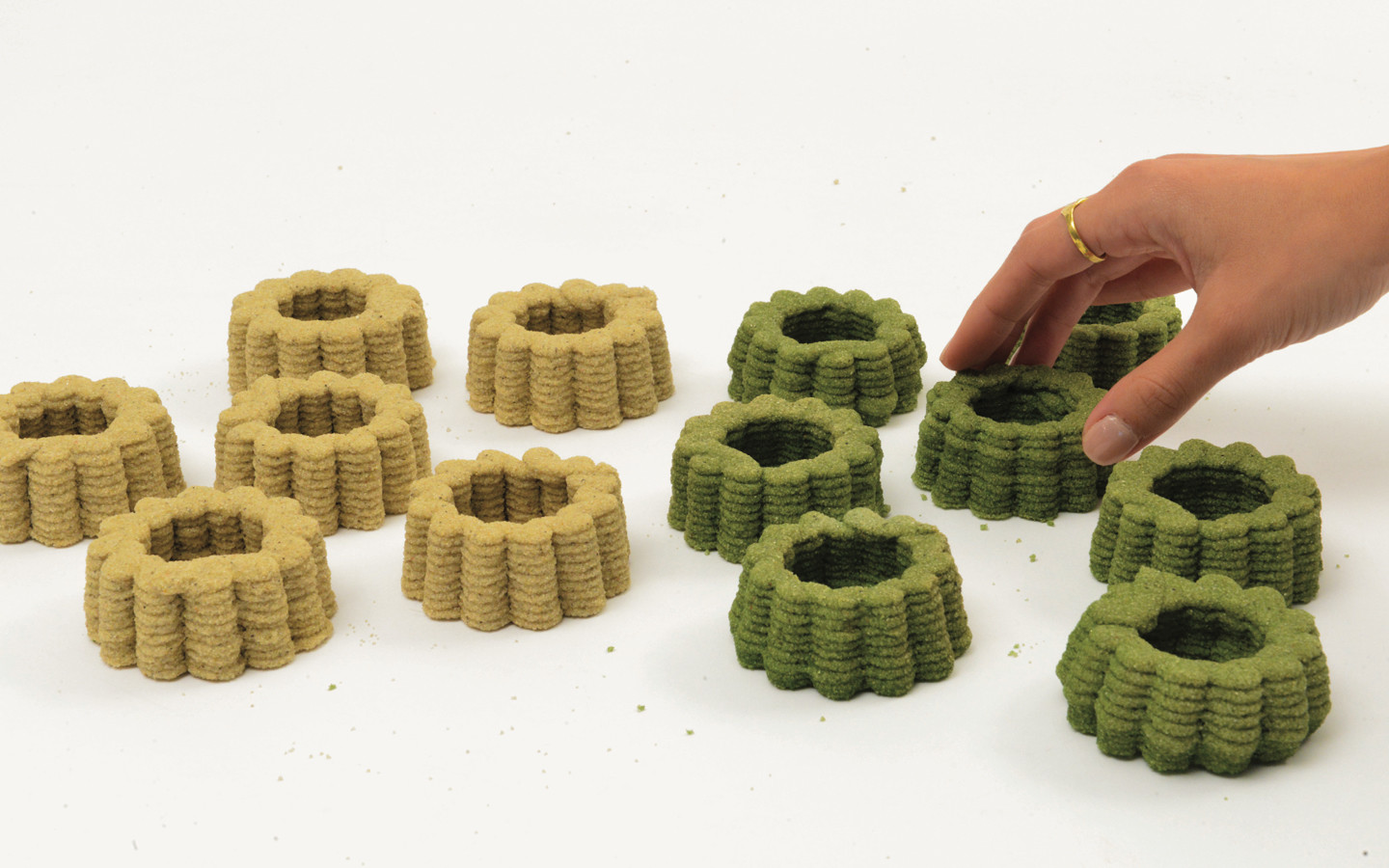
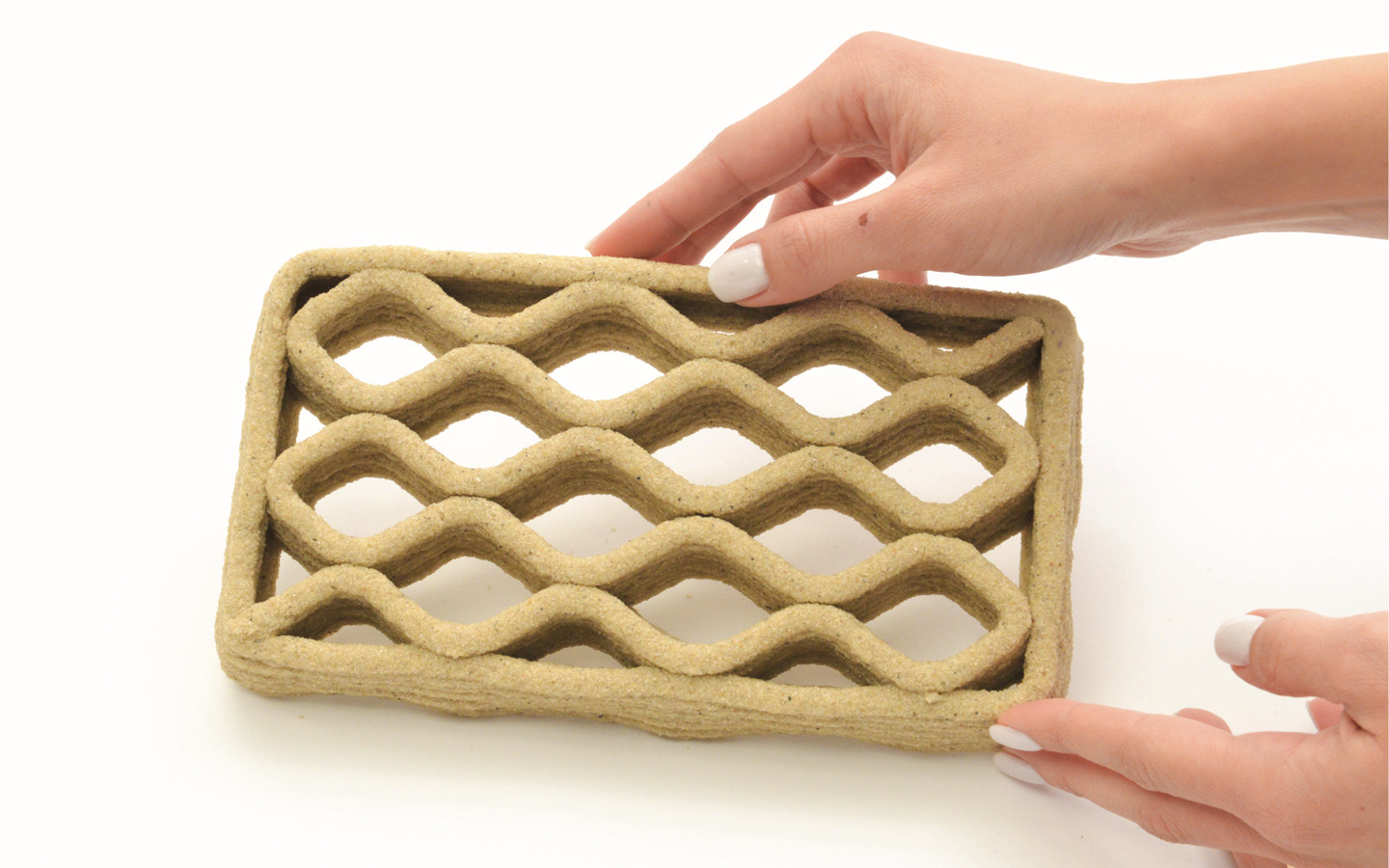
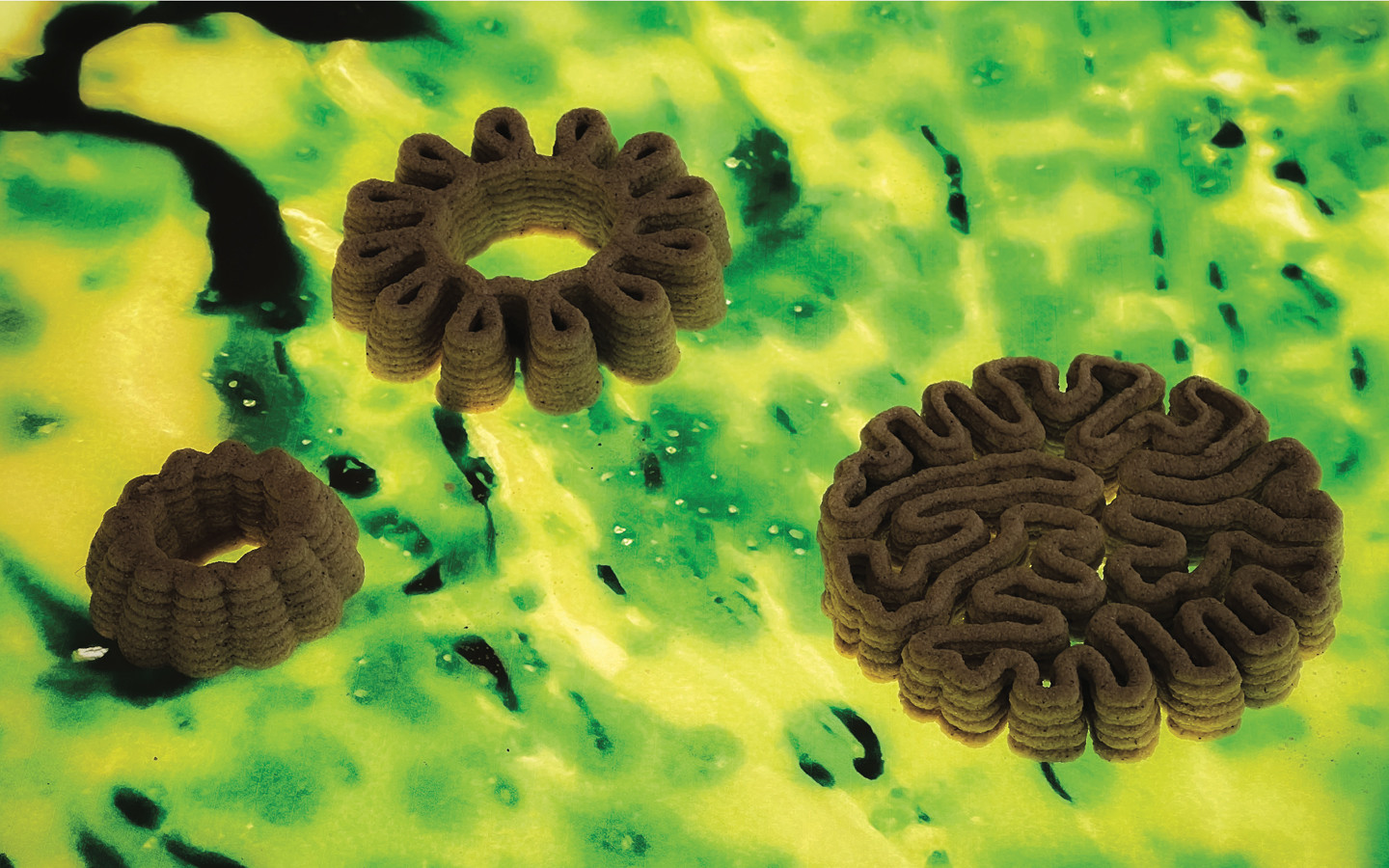
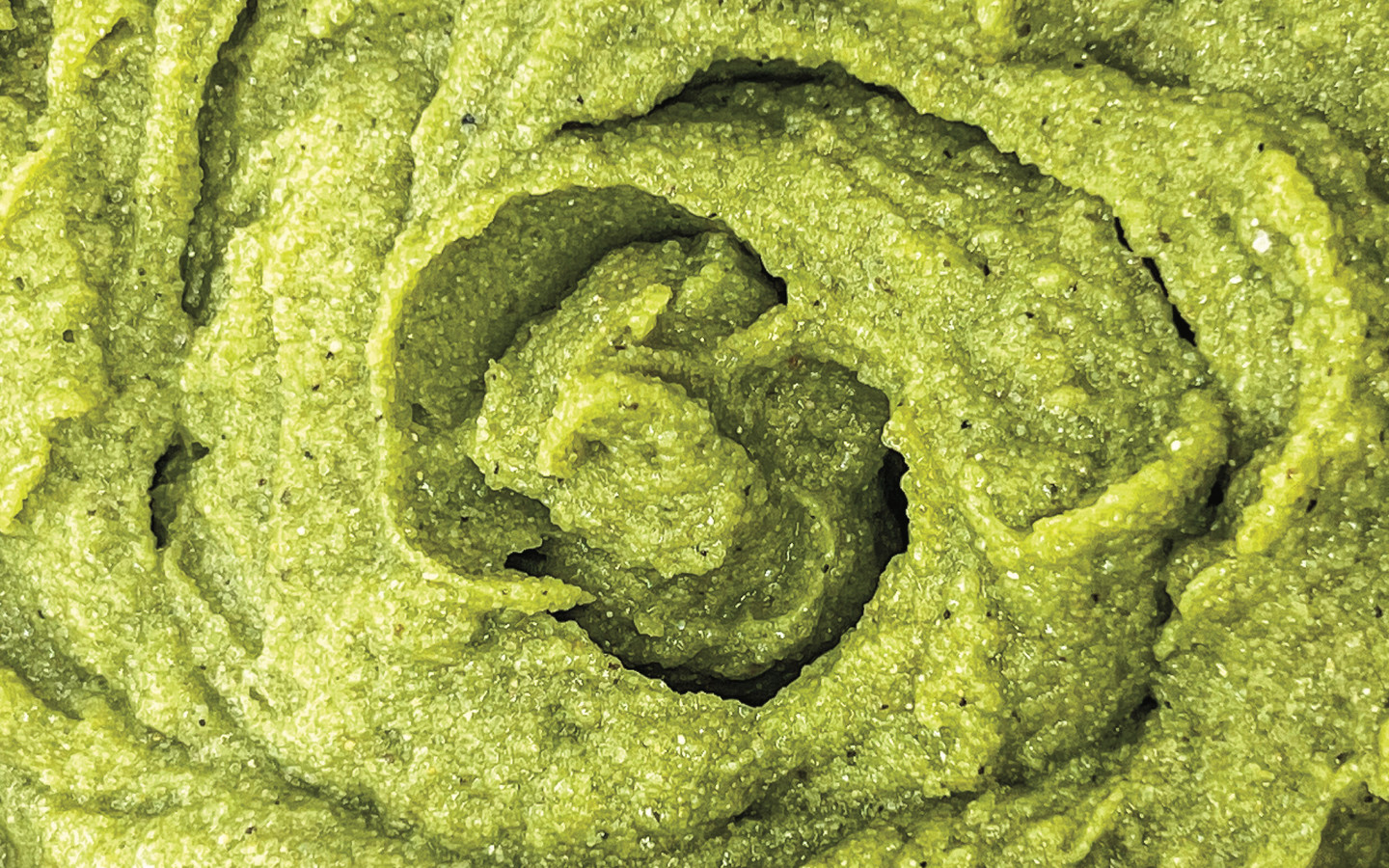

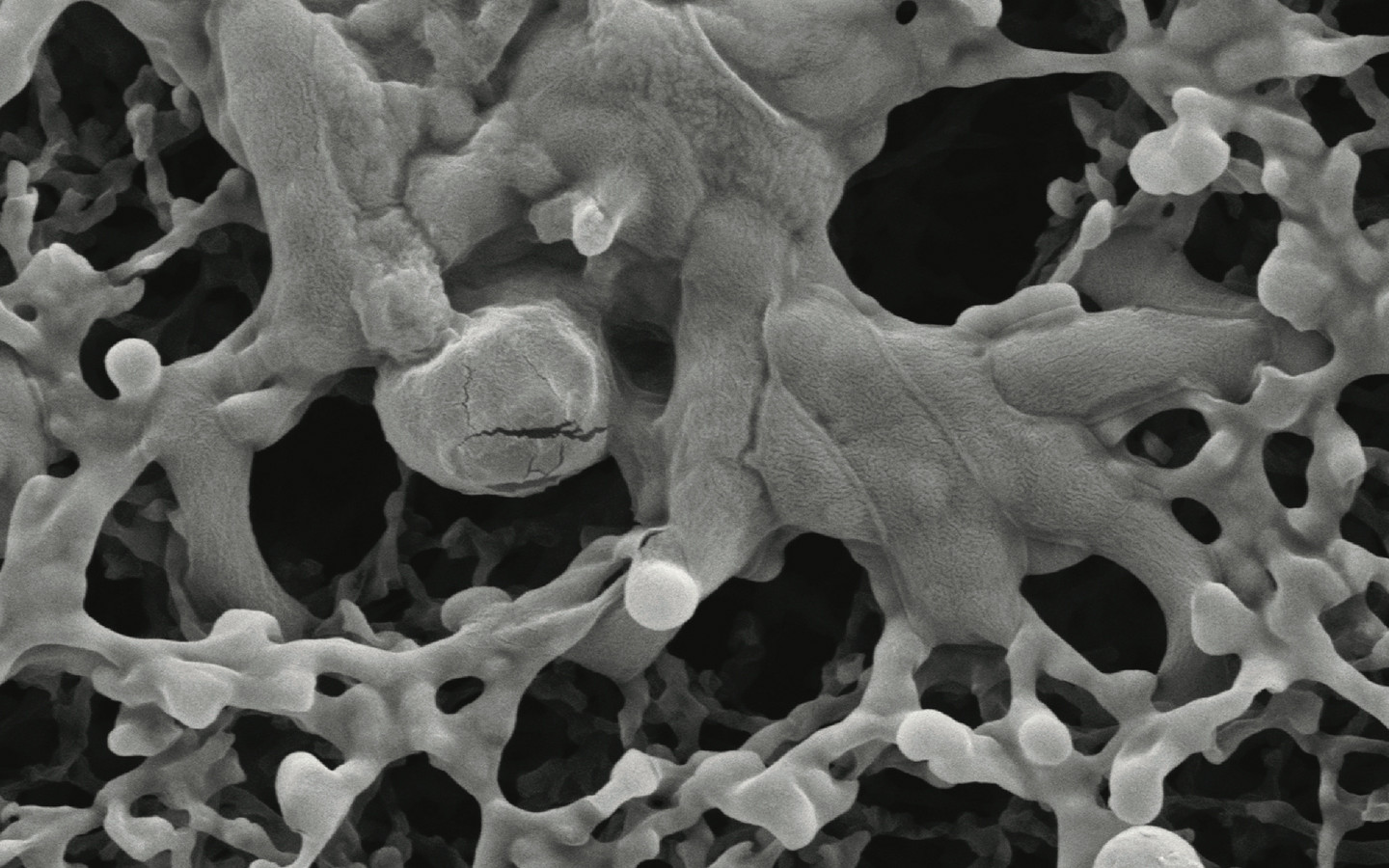
El cianocemento es un biocomponente transparente y tridimensional que contiene un elemento químico intensivo de origen vegetal. Este material utiliza microorganismos fotosintéticos para la fijación de minerales y absorbe CO₂ activo durante y después de la producción. Permite una fabricación de material energéticamente eficiente y es apto para arquitecturas no tridimensionales que requieren un diseño regenerativo y kohlenstoffarme. El color gris de los materiales realza visiblemente su actividad biológica.
Empresa/Institución
Technion, Israel Institute of Technology
The project is developed at the Technion – Israel Institute of Technology through a collaboration between the Faculty of Architecture and Town Planning and the Faculty of Biotechnology and Food Engineering. The research is conducted in the Design BioLab at the Disrupt Design Lab, and Applied Genomics Lab at the Biotechnology Faculty. The work brings together architectural design, advanced fabrication, and biological material research, reflecting the team’s interdisciplinary approach to innovation in sustainable building technologies.

País
Israel
Sitio web
Designer(s)
Perla Armaly, Yuval Berger, Lubov Iliassafov, Keren Rosenblau, Yechezkel Kashi, Shany Barath

The project is developed by an interdisciplinary team from the Disrupt Design Lab at the Faculty of Architecture and Town Planning and the Applied Genomics Lab at the Faculty of Biotechnology and Food Engineering. It brings together architects, designers, and biologists with expertise in microbiology, material science, computational design, and architectural fabrication. United by an interest in photosynthetic microbes, the team explores how biological processes can capture atmospheric carbon and form mineral-based building materials through microbial biocementation at an architectural scale